Research Articles
Optimizing Human Small Intestinal Organoid Differentiation: A Complete Protocol for Enhanced Cellular Diversity and Predictive Toxicology
This article provides a comprehensive guide for researchers and drug development professionals on optimizing human small intestinal organoid (hSIO) differentiation.
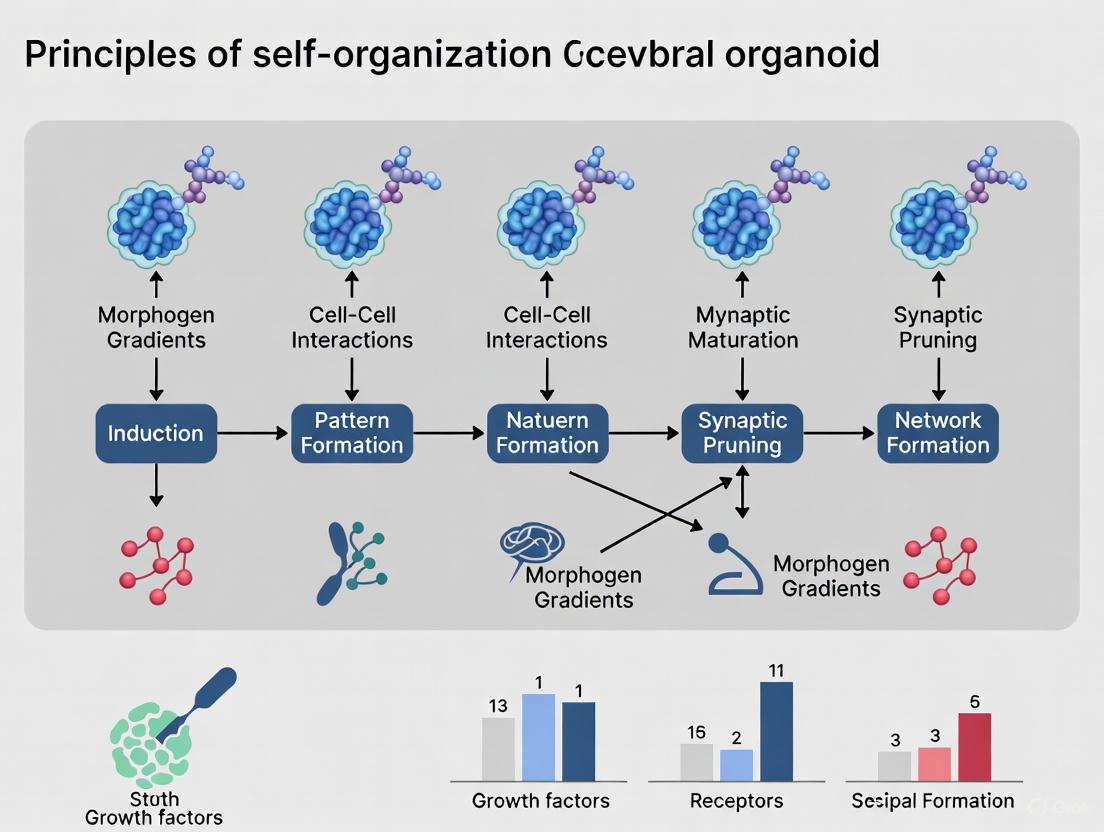
Self-Organization in Cerebral Organoids: Principles, Protocols, and Translational Applications
This article provides a comprehensive examination of the self-organizing principles that govern cerebral organoid development, a revolutionary three-dimensional model system derived from human pluripotent stem cells.
Mastering Cellular Diversity in Human Intestinal Organoids: From Niche Signals to High-Throughput Applications
Human intestinal organoids have revolutionized the study of gut biology, but achieving physiological cellular diversity remains a central challenge.
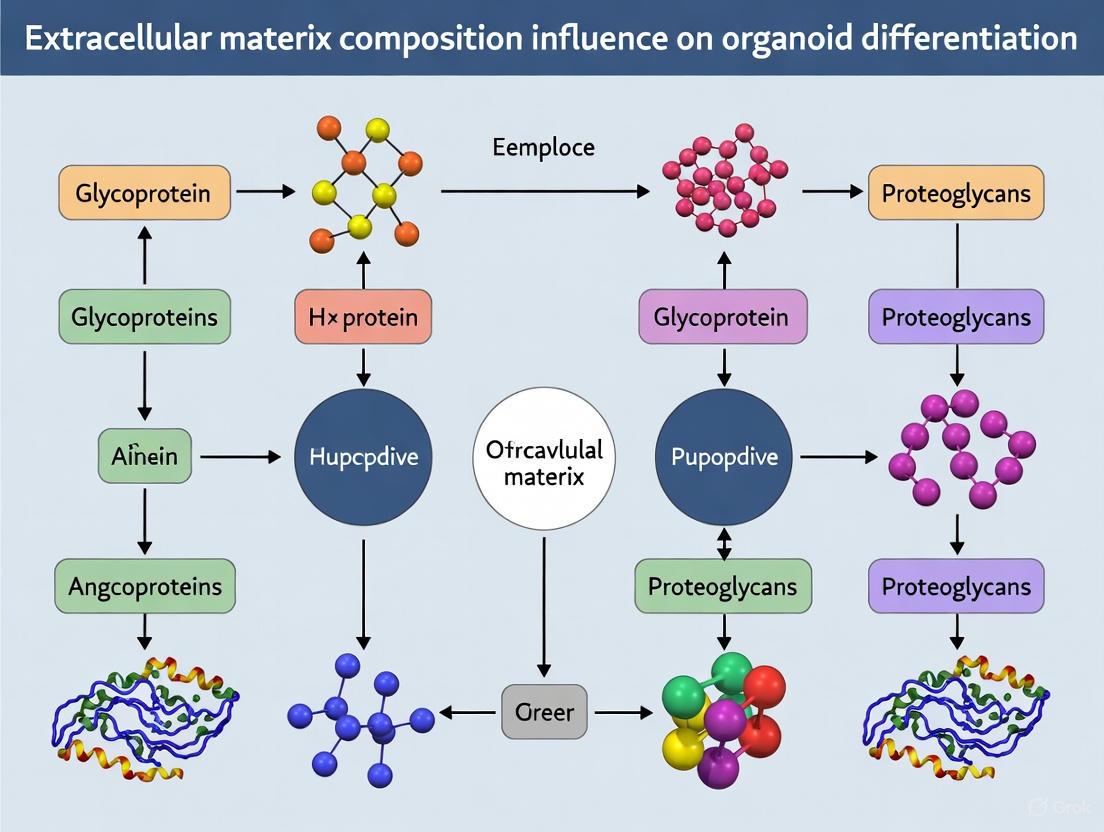
The ECM Blueprint: How Matrix Composition Directs Organoid Differentiation and Shapes Biomedical Innovation
This article explores the pivotal role of extracellular matrix (ECM) composition in guiding organoid differentiation, a critical factor for researchers and drug development professionals advancing 3D in vitro models.
Proteinase K vs. Acetone Permeabilization: A Comprehensive Guide for Method Selection in Biomedical Research
This article provides a systematic comparison of proteinase K (enzymatic) and acetone (solvent) permeabilization methods, two fundamental techniques for enabling antibody access to intracellular targets.
PTU-Based Treatments vs. Chemical Bleaching: Mechanisms, Efficacy, and Future Directions in Pigment Removal
This article provides a comprehensive analysis of two distinct approaches for pigment removal: Poly(thiourea) (PTU)-based treatments and traditional chemical bleaching.
Colorimetric vs Fluorescent WISH: A Comprehensive Guide to Methods, Applications, and Optimization
This article provides a detailed comparative analysis of colorimetric and fluorescent Whole-Mount In Situ Hybridization (WISH) techniques for researchers and drug development professionals.
Dextran Sulfate vs. PVA: Mechanisms and Synergies in Cell Culture and Drug Delivery
This article provides a comprehensive analysis of dextran sulfate (DS) and polyvinyl alcohol (PVA), two critical polymers in biomedical research.
Acetylation-Dependent Phosphatase Regulation: Mechanisms, Research Methods, and Therapeutic Implications
This review synthesizes current evidence demonstrating that lysine acetylation serves as a key post-translational mechanism for regulating endogenous phosphatase activity.
NBT/BCIP vs. Fast Red: A Scientist's Guide to Sensitivity, Applications, and Optimization
This article provides a comprehensive comparison of the chromogenic substrates NBT/BCIP and Fast Red for alkaline phosphatase (AP) detection.