Research Articles
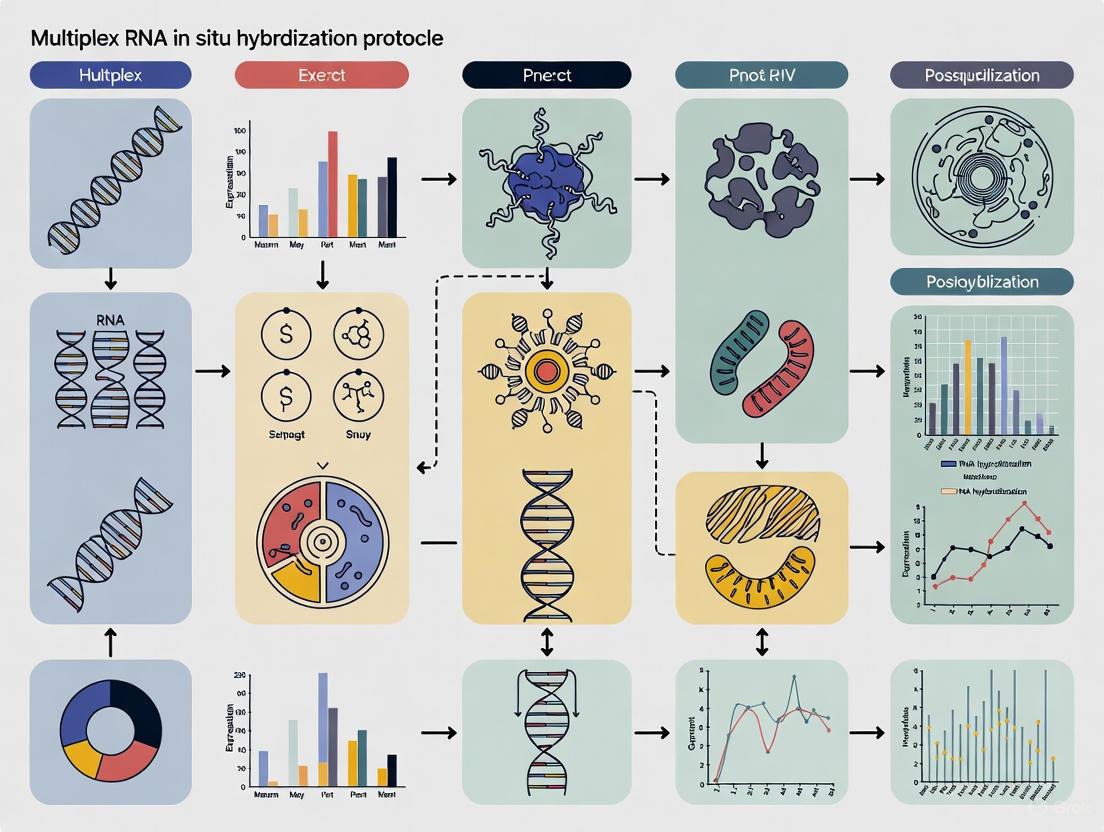
Multiplex RNA In Situ Hybridization: A Comprehensive Guide from Foundational Principles to Advanced Applications
This article provides a comprehensive overview of multiplex RNA in situ hybridization (mRNA-ISH), a powerful set of techniques enabling simultaneous visualization of multiple RNA species within their native spatial context...
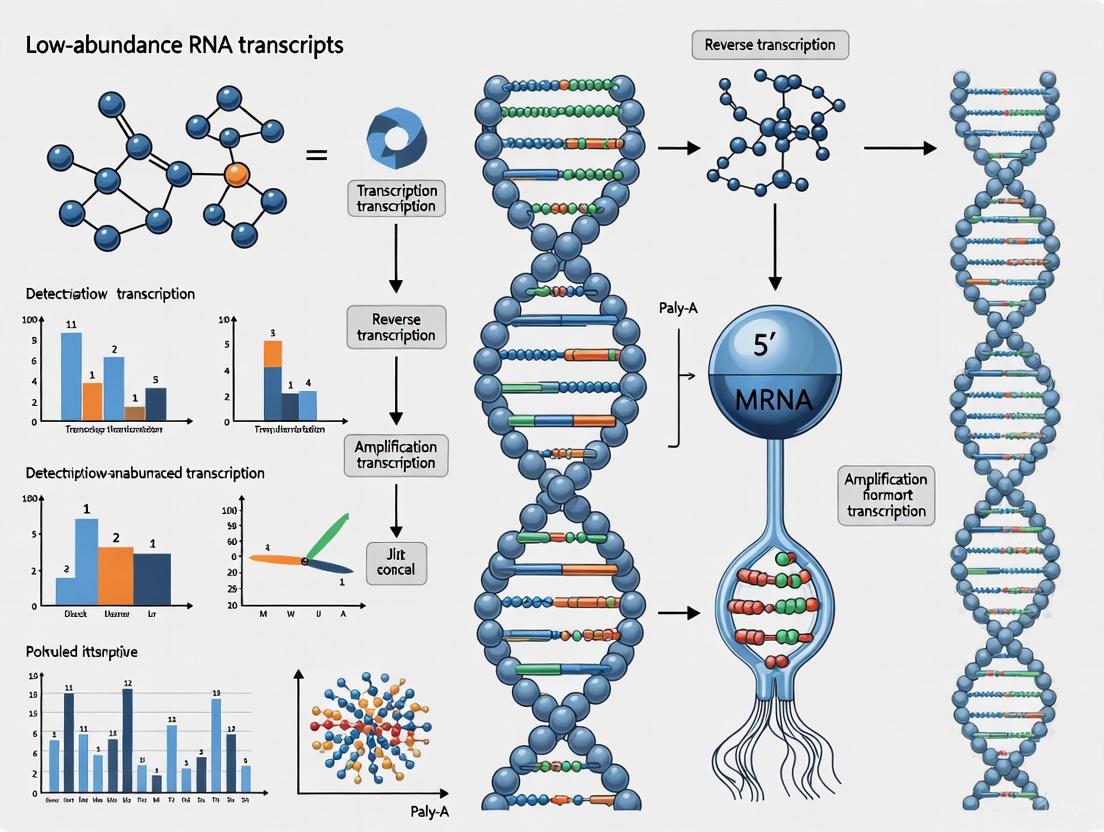
Advances in Low-Abundance RNA Detection: From Foundational Concepts to Clinical Applications
Accurate detection and quantification of low-abundance RNA transcripts are pivotal for advancing molecular diagnostics, understanding complex diseases like cancer, and driving drug discovery.
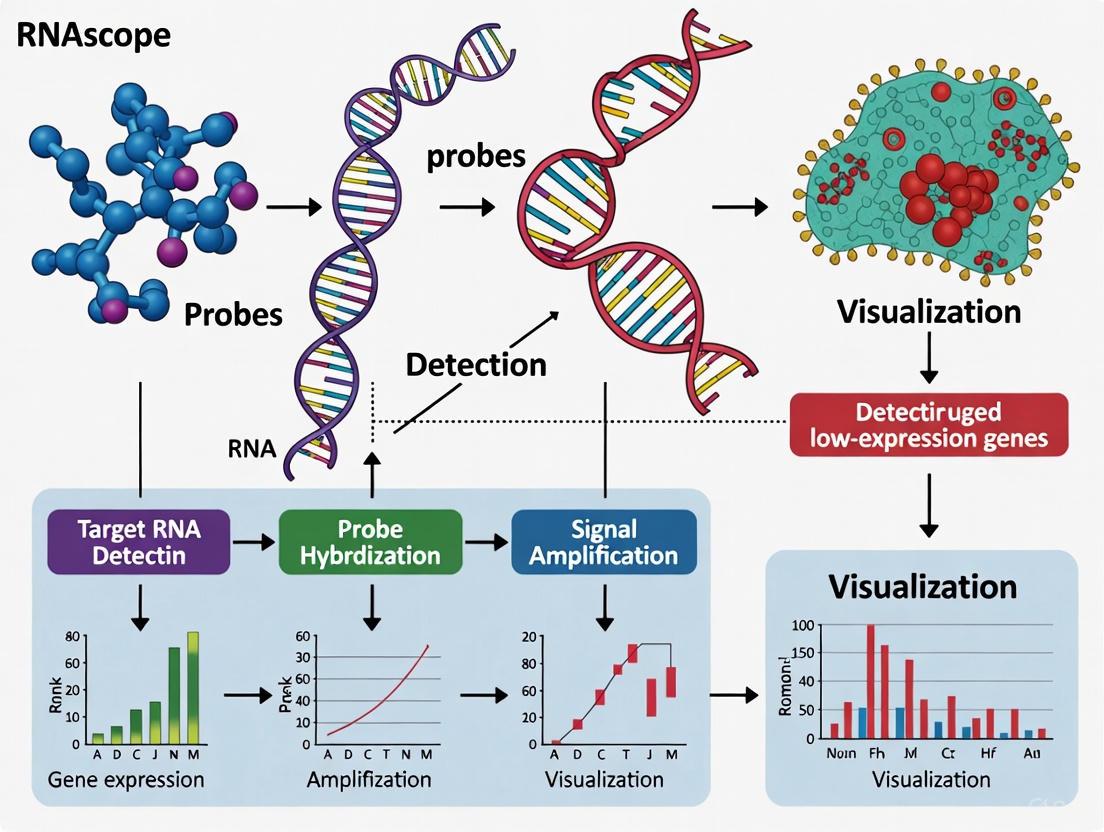
Mastering RNAscope for Low-Expression Genes: A Comprehensive Guide from Assay Design to Clinical Validation
Detecting low-expression genes with spatial context is critical for advancing research in disease mechanisms, biomarker discovery, and drug development.
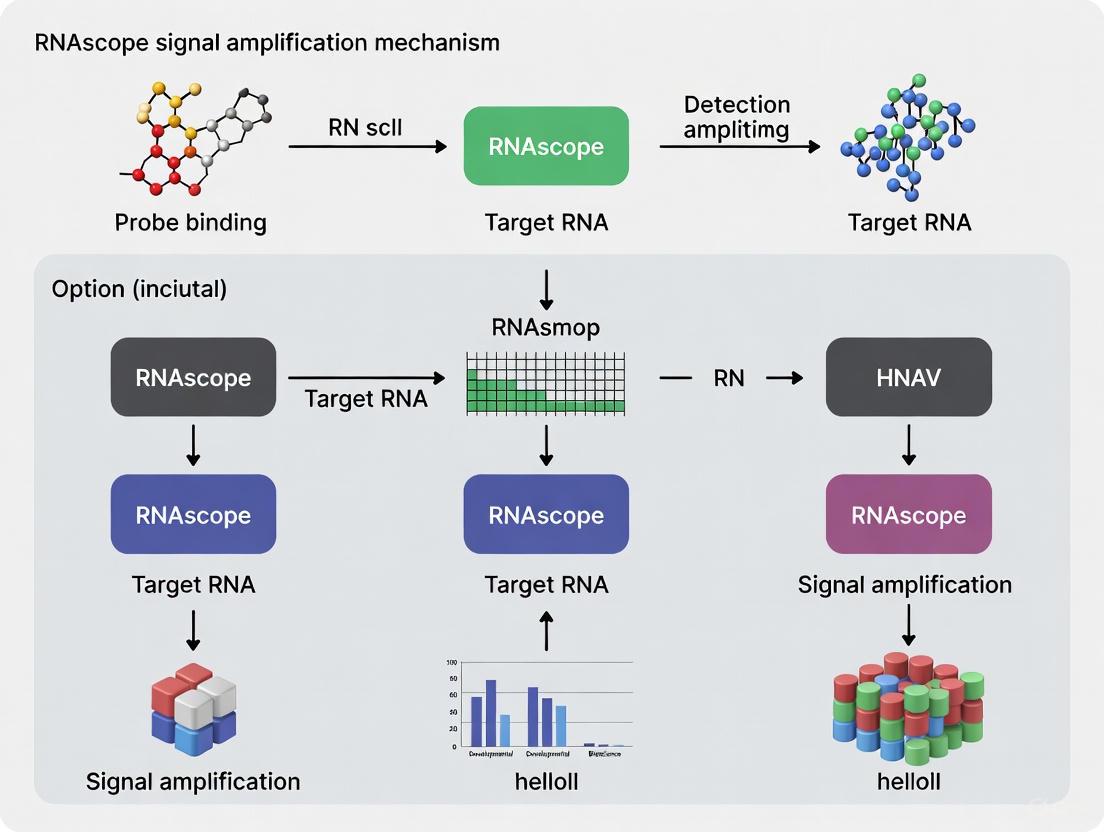
Unlocking Spatial Biology: How RNAscope's Signal Amplification Mechanism Revolutionizes RNA Detection
This article provides a comprehensive exploration of the RNAscope in situ hybridization technology, focusing on its proprietary signal amplification mechanism.
RNAscope and Branched DNA Technology: A Complete Guide to Spatial Genomics
This article provides a comprehensive exploration of RNAscope, a revolutionary branched DNA in situ hybridization technology that enables single-molecule RNA visualization within intact cellular contexts.
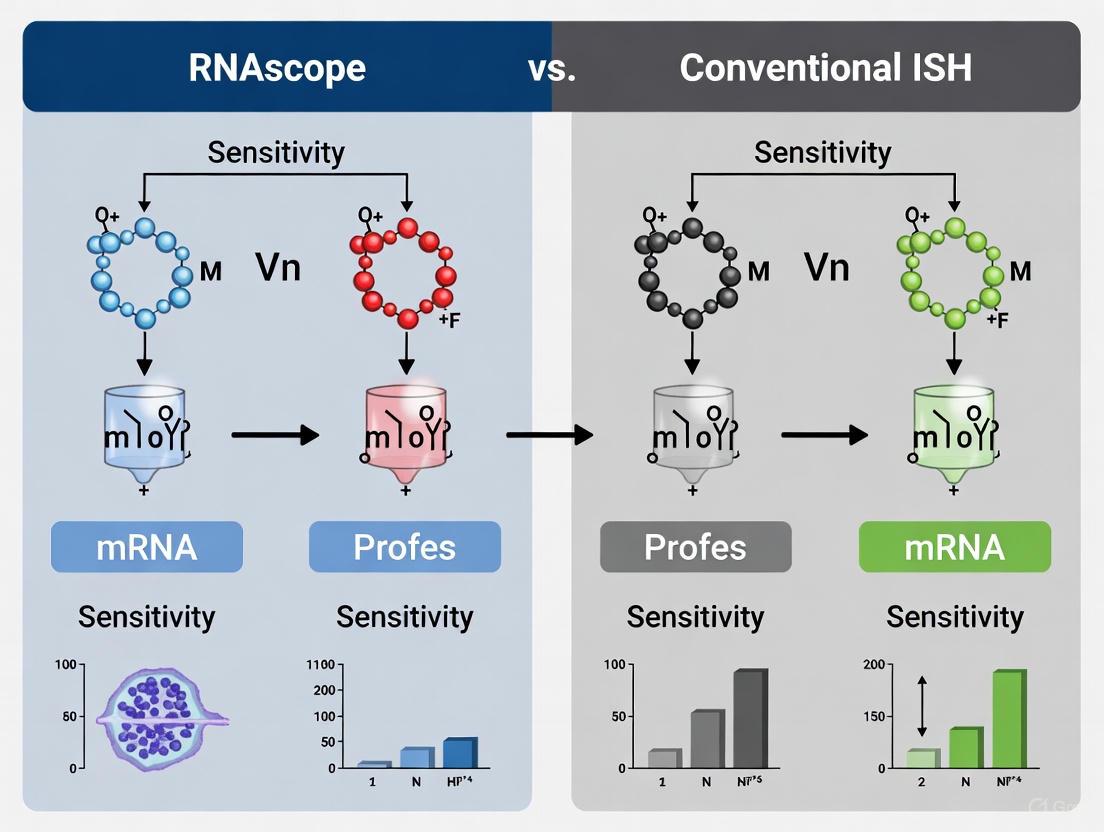
RNAscope vs. Conventional ISH: A Comprehensive Sensitivity and Technical Comparison for Researchers
This article provides a detailed comparison of RNAscope in situ hybridization (ISH) and conventional ISH methods, focusing on analytical sensitivity, specificity, and practical applications for researchers and drug development professionals.
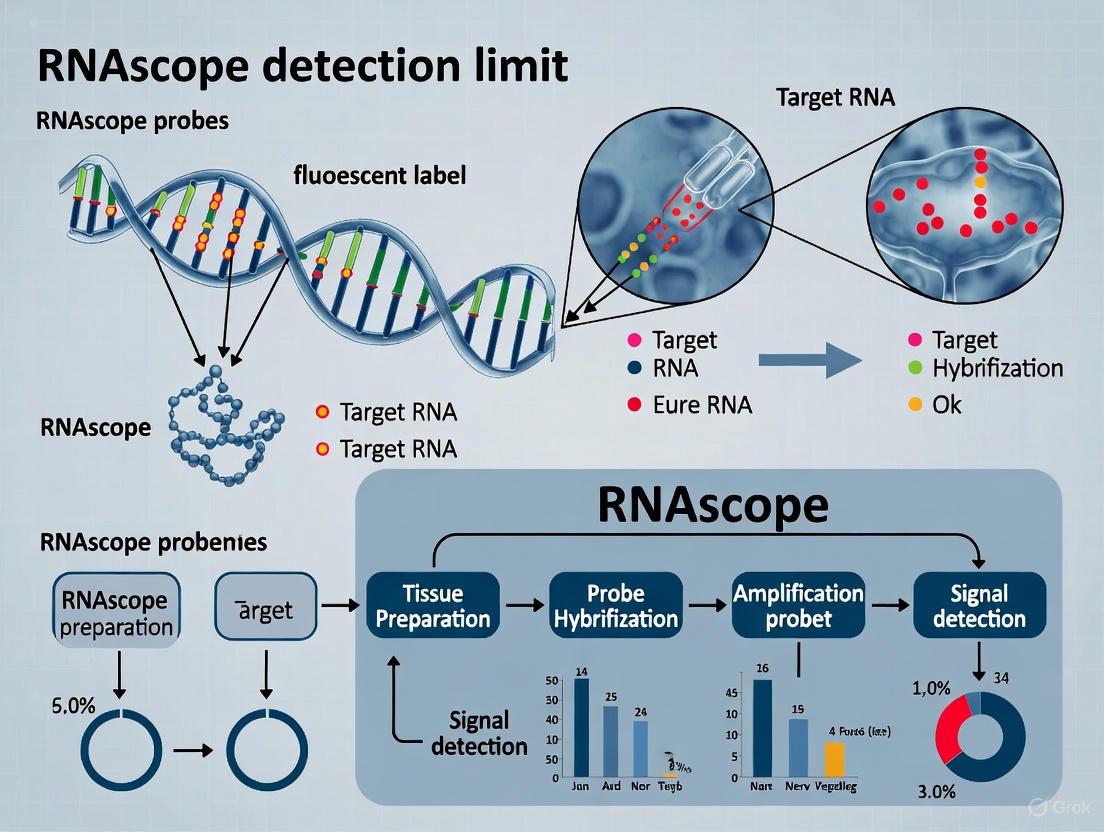
RNAscope Detection Limit: Unlocking Single-Molecule RNA Sensitivity for Research and Diagnostics
This article provides a comprehensive analysis of the detection limit of RNAscope, a revolutionary in situ hybridization (ISH) technology.
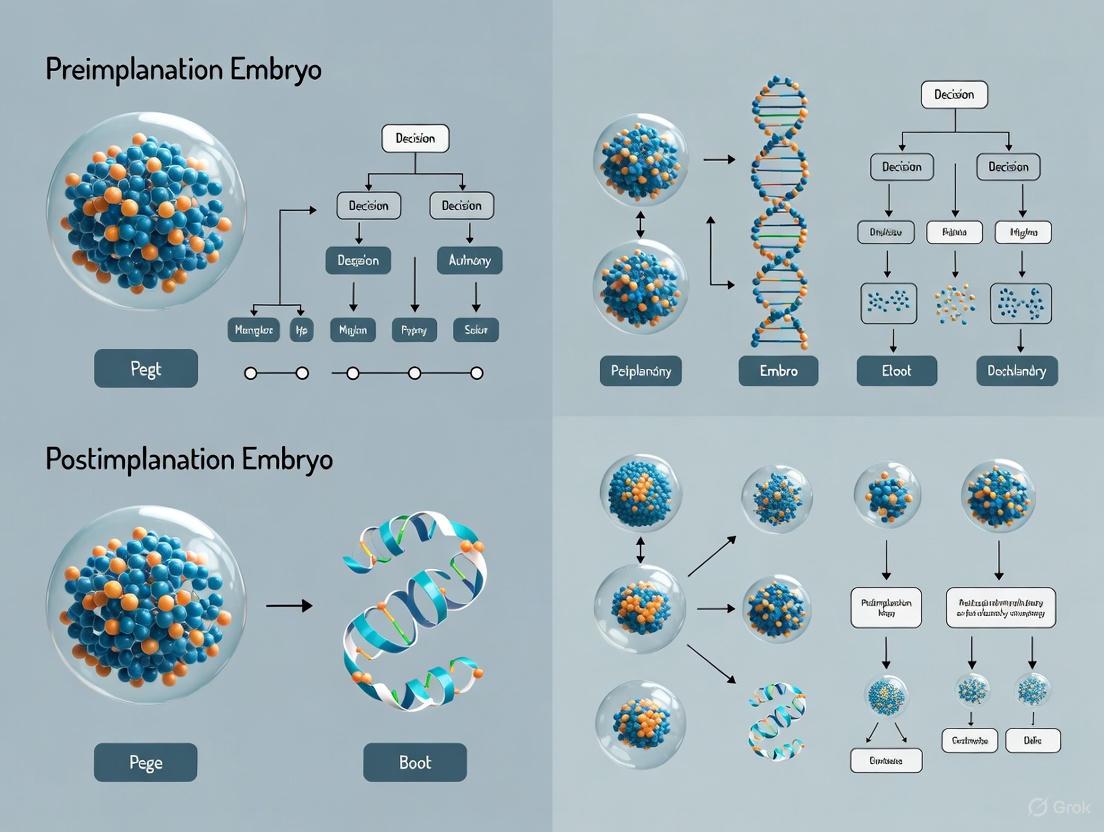
From Blastocyst to Gastrula: A Comparative Analysis of Preimplantation and Postimplantation Embryo Development, Models, and Clinical Applications
This article provides a comprehensive comparative analysis of human preimplantation and postimplantation embryonic development, addressing a critical knowledge gap for researchers and drug development professionals.
Assaying Transcriptional Fidelity in Stem Cell Embryo Models: A Roadmap for Validation and Application
Stem cell-based embryo models (SCBEMs) are revolutionizing the study of human development and disease.
RNAscope Technology: Unlocking Single-Molecule Sensitivity for Spatial Biology and Precision Diagnostics
This article provides a comprehensive overview of the RNAscope in situ hybridization (ISH) technology, a powerful spatial genomics platform renowned for its single-molecule sensitivity and high specificity.