Research Articles
Acetylation-Dependent Phosphatase Regulation: Mechanisms, Research Methods, and Therapeutic Implications
This review synthesizes current evidence demonstrating that lysine acetylation serves as a key post-translational mechanism for regulating endogenous phosphatase activity.
NBT/BCIP vs. Fast Red: A Scientist's Guide to Sensitivity, Applications, and Optimization
This article provides a comprehensive comparison of the chromogenic substrates NBT/BCIP and Fast Red for alkaline phosphatase (AP) detection.
Mastering Wash Stringency: A Scientist's Guide to Eliminating Non-Specific Hybridization
This article provides a comprehensive guide for researchers and drug development professionals on optimizing wash stringency to eliminate non-specific hybridization in molecular assays.
Strategies for Reducing Alkaline Phosphatase Background in Colorimetric Assays: A Comprehensive Guide for Biomedical Researchers
This article provides a comprehensive examination of advanced strategies for minimizing alkaline phosphatase (ALP) background interference in colorimetric assays, a critical challenge in biomedical research and diagnostic development.
N-Acetylcysteine as a Novel Therapeutic Candidate for Molluscum Contagiosum: Mechanisms, Applications, and Research Frontiers
This article provides a comprehensive analysis of the potential application of N-acetylcysteine (NAC) in molluscum contagiosum (MC) research and therapy development.
Optimizing Zebrafish WISH: A Comprehensive Guide to Eliminating Melanin Interference
Whole-mount in situ hybridization (WISH) is a cornerstone technique in zebrafish research, but endogenous melanin pigment often obscures chromogenic detection, compromising data interpretation.
Optimizing Proteinase K Incubation Time to Reduce Background in Molecular Assays
Effective proteinase K digestion is critical for obtaining high-quality nucleic acids by degrading nucleases and contaminants that cause high background and false results in downstream molecular assays.
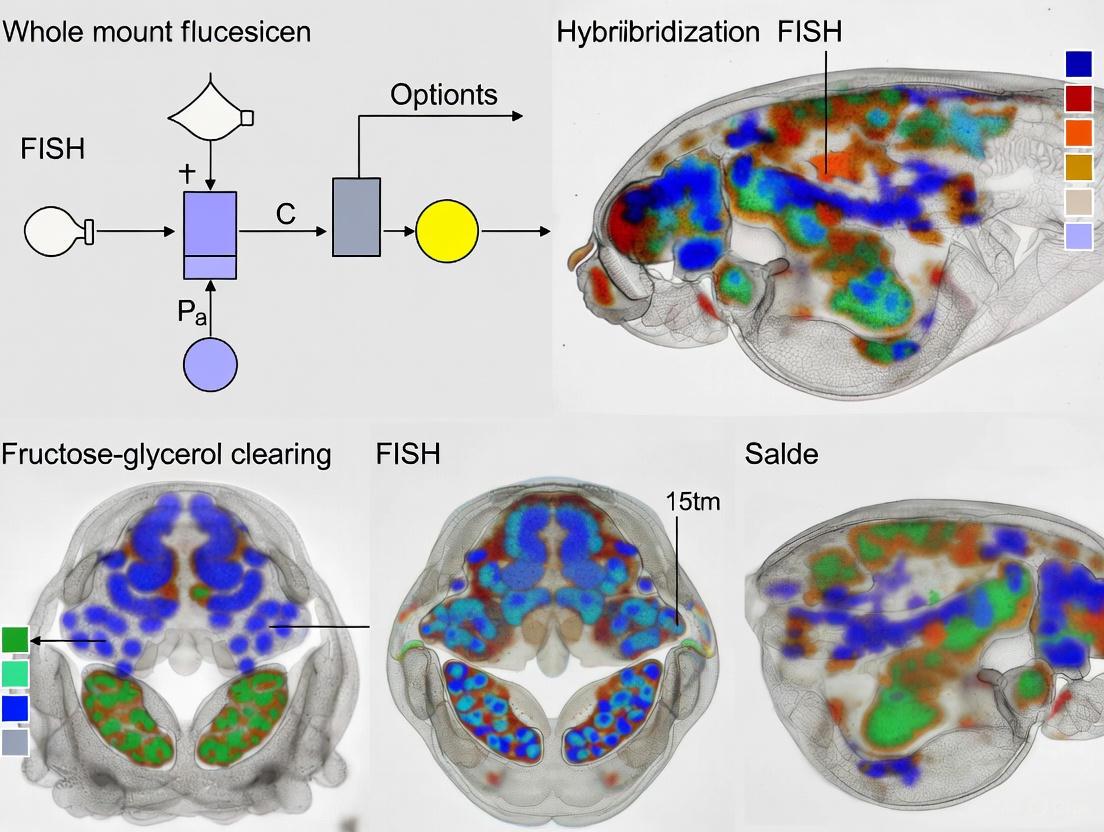
Whole Mount FISH with Fructose-Glycerol Clearing: A Complete Guide for 3D Gene Expression Imaging
This article provides a comprehensive resource for researchers and drug development professionals on implementing whole-mount fluorescent in situ hybridization (FISH) combined with fructose-glycerol tissue clearing.
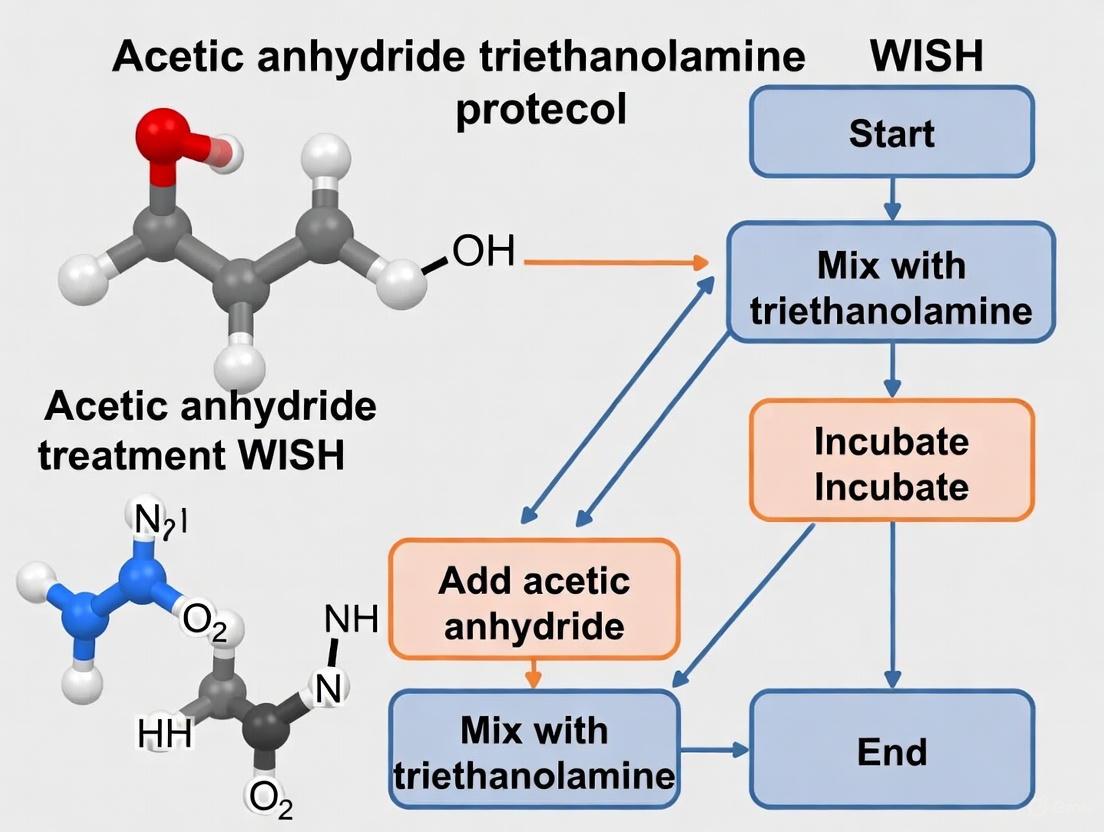
Optimizing WISH Protocols: The Essential Guide to Acetic Anhydride Triethanolamine Treatment
This article provides a comprehensive guide for researchers and drug development professionals on the critical role of acetic anhydride and triethanolamine (TEA-AA) treatment in Whole-Mount In Situ Hybridization (WISH).

Optimizing Proteinase K Concentration for WMISH: A Complete Guide to Reducing Background and Enhancing Signal
This article provides a comprehensive guide for researchers on the critical role of Proteinase K concentration in achieving successful Whole-Mount In Situ Hybridization (WMISH).